Shock Trauma
A single overwhelming event: an accident, a fall, surgery, a sudden loss. The body often remembers the moment of impact long after the mind has moved on.
When something is too much, too fast or too soon, the nervous system does what it was built to do. It protects you. It fights, runs, freezes or tries to keep the peace.
When there was no chance to finish that response, the energy of it stays in the body. It becomes bracing, tension, numbness, a held breath, a belly that never softens. The psychoanalyst Wilhelm Reich called this armour.
Armour is not a fault. It is the body's intelligence, keeping you safe. The trouble is that it keeps holding long after the danger has passed, and the same walls that kept pain out start to keep life out too.
Clenched jaw, tight fists and shoulders, anger close to the surface.
Restlessness, racing thoughts, a body that cannot sit still or rest.
Numbness, heaviness, feeling far away from yourself or the room.
Keeping everyone else happy, losing track of what you actually feel.
Trauma is less about what happened and more about what it left behind in your system. Here are some of the forms it takes.
A single overwhelming event: an accident, a fall, surgery, a sudden loss. The body often remembers the moment of impact long after the mind has moved on.
What happened, or did not happen, when you were small. Needs for safety, comfort and attunement that were not met shape how the body braces for life.
Hurt that happens inside relationships: betrayal, control, criticism, being unseen. It often shows up in the chest, throat and belly.
Procedures, hospital stays, birth experiences and illness, where the body was handled without a sense of choice or control.
Not one big event but years of too much. Burnout, caring for others, holding it all together. The armour builds slowly and quietly.
Patterns passed through families and cultures: what was never spoken about, what was normal to endure. Carried in the body without a story attached.
Everyone armours differently, but some places come up again and again.
Words not said, anger held back, teeth set against the world.
Swallowed feelings and the need to speak that never had space.
Grief, heartbreak, the bracing that keeps love at a distance.
The held breath. Fear lives here, and so does the relief of letting go.
Anxiety, worry and old emotion, the reason Chi Nei Tsang works so well.
Safety, power and the deep instinct to protect yourself.
The urge to run or to stand your ground, often left unfinished.
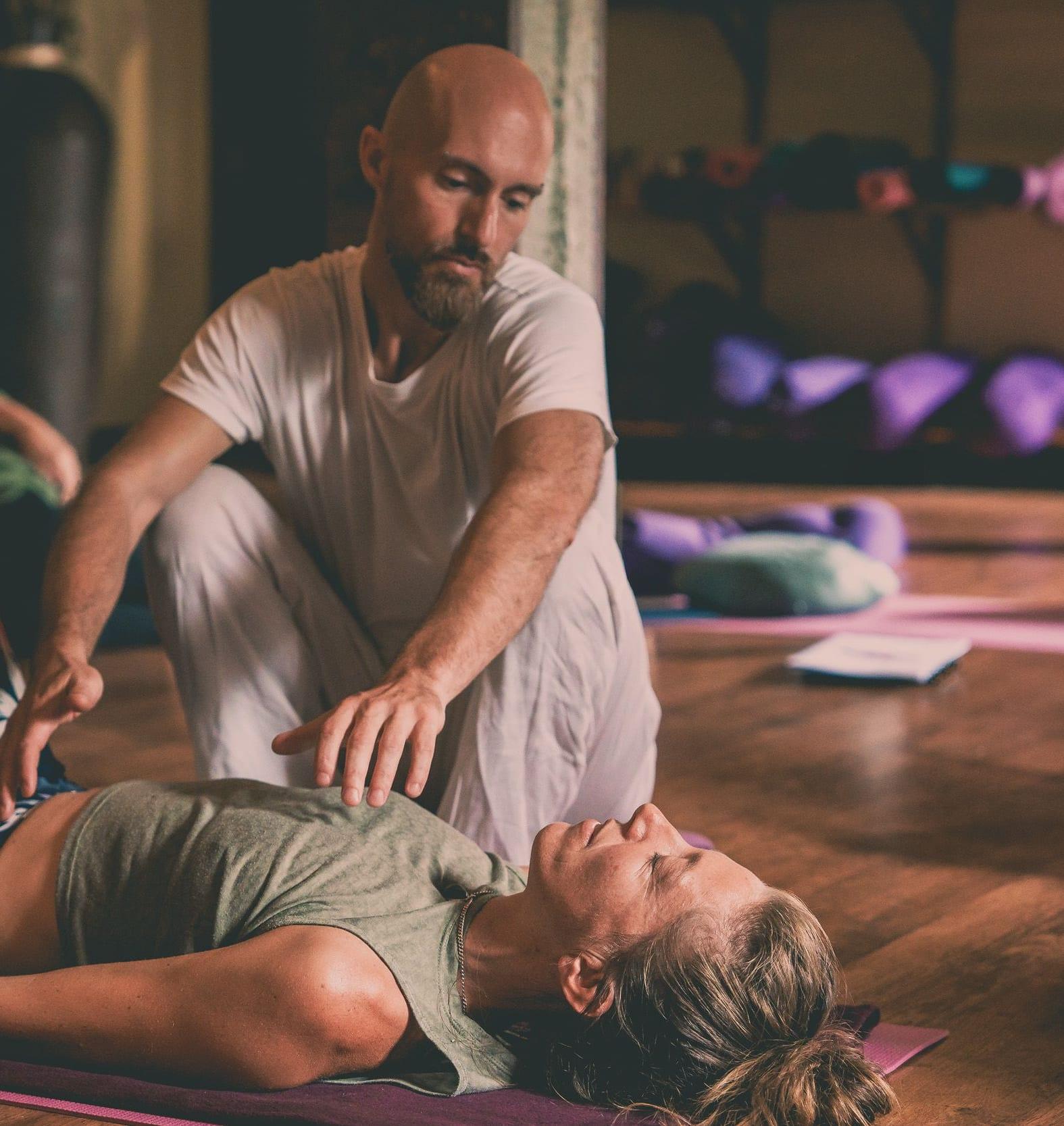
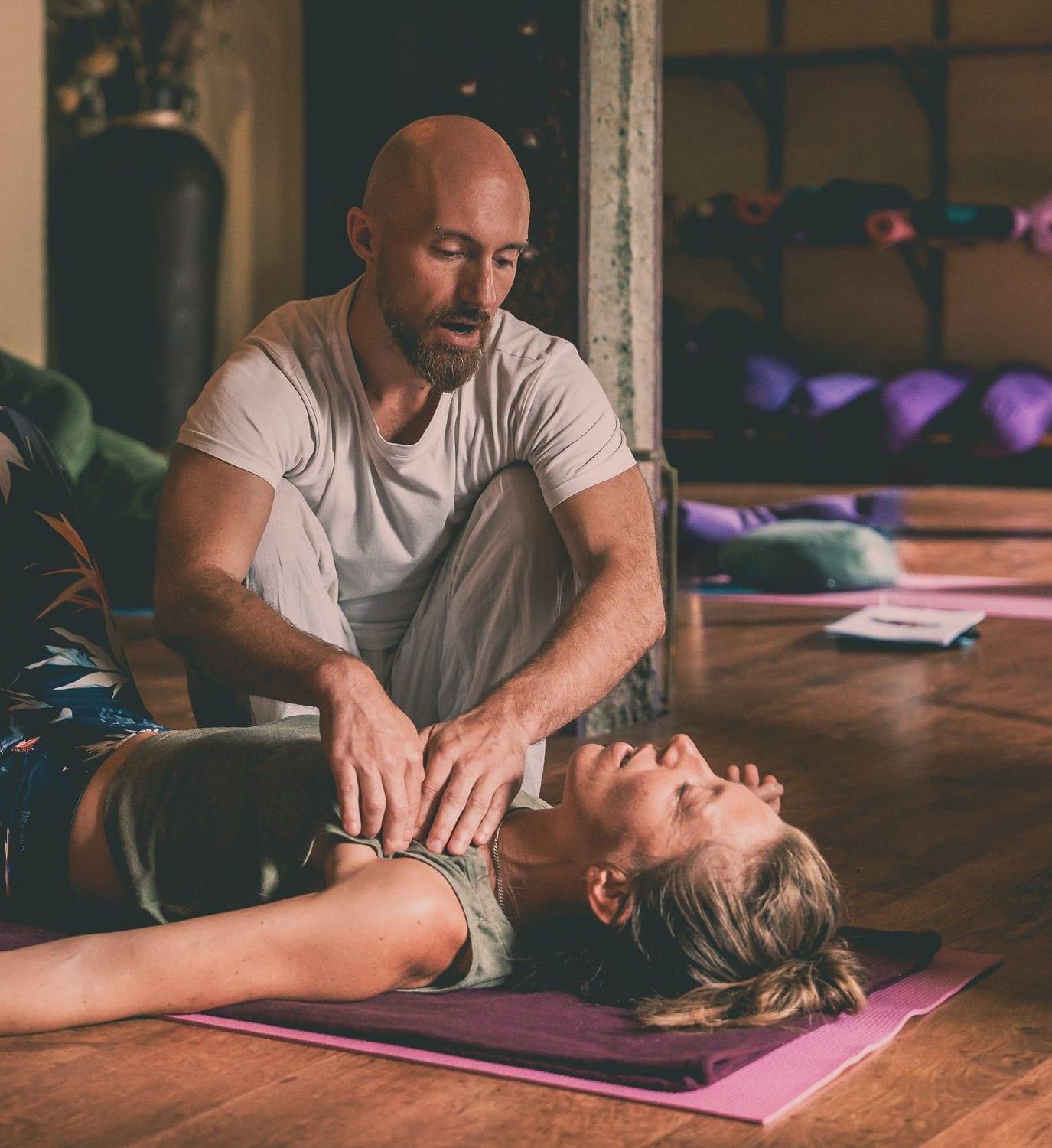
Talking therapies work from the top down, through understanding. Bodywork works from the bottom up, through sensation. The body is given a safe enough setting to finish what it could not finish at the time.
We go slowly. A little at a time, always coming back to safety in between, so your system builds capacity rather than being flooded. You stay in charge of the pace, and you are never asked to relive anything.
Sexual trauma lives in the body in its own particular way, and often needs its own particular care. If this is what you most want to work with, my sister practice, Yoni Massage Manchester, is set up specifically for it, with the same trauma informed approach and a clear path through consent and boundaries.
This work supports, and does not replace, therapy or medical care. If you are in crisis, please contact your GP, call NHS 111, or call Samaritans free on 116 123.
If you're feeling inspired, book a free connection call. We'll talk about what has brought you here and how a session could support you.